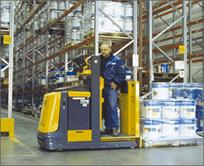
In overseas, Shenship will join hands with the local expertise in order to provide seamless end-to-end chemical logistics solutions to MNCs who have chemical plants in Europe, North and South America, Africa, Asia and Mainland China. By doing so, the companies together can achieve:
- Bundling of process
- Extended Services
- Optimized Savings
Hazardous Chemicals
Dangerous Goods are even more dangerous if they are handled in an unprofessional manner. We are specialists and have acquired the relevant licenses and certificates in handling all DG Categories except IMDG1, i.e. Explosives.
Facility, Skills and Qualifications
Following tradition, Shenship has had a designated team to handle dangerous goods for our customers since 1987. We have established SOP (Standard Operating Procedures), Relevant Licenses, a Designated DG Warehouse and Specialized Trucks.
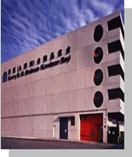
7 Kai Hing Road, Kowloon Bay, Kowloon
No. of Stories: 6
Total Area: 182,000 sq. ft. approx.
No. of Loading Bays: 10
Service: Dangerous Goods
No. of Stories: 6
Total Area: 182,000 sq. ft. approx.
No. of Loading Bays: 10
Service: Dangerous Goods
Cargo Handling Equipment
- 3 high-speed explosion-proof lifts with 4,500 kg capacity each
- Explosion-proof hydraulic platform for sunken chamber
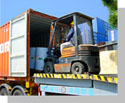
- Explosion-proof forklifts
Safety Facilities
- Automatic sprinkler system for loading/unloading area
- BTM fire fighting system in each storage chamber
- Smoke/heat detectors/air ventilation system for enhanced safety
- 24-hour guard and security alarm system linked to the police station
- Class A, rated by Fire Insurance Association
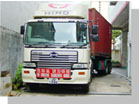
Vehicles with DG Licenses
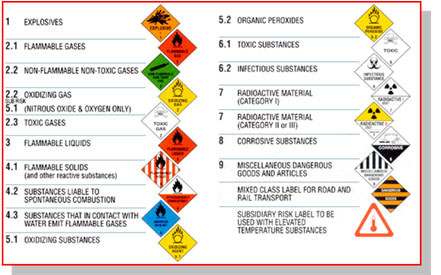
Relevant Licenses and Capabilities
The following relevant licenses and certificates will be presented upon request:
- Certificate of Competence in Ionizing Radiation Protection
- FIATA Diploma of Competence in Freight Forwarding
- FIATA Member Certificate
- HAFFA Member Certificate
- License of Control of Chemicals
- License of Dutiable Commodities
- Radioactive Substance License
- Certificate of Transshipment Cargo Exemption Scheme
Radioactive Shipments
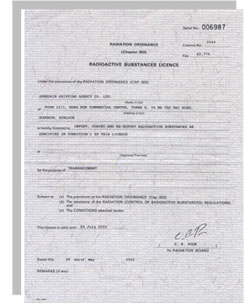
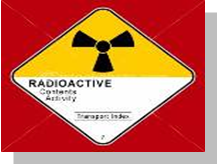
Shenship Logistics Ltd. handled 28 DG shipments for oilfield companies from January until June in 2005. Of all the shipments, 9 were radioactive with zero effects. In Case of Leakage Moreover, we have an emergency contingency plan in case of DG leakage during transport. This document is available upon request.
License and Permit Application
Last but not least, Shenship Logistics Ltd. will be fully responsible in applying for all related import/re-export/ transit permits or licenses for our customers Dangerous Goods.
|
|
|
||||||||||||||||||